
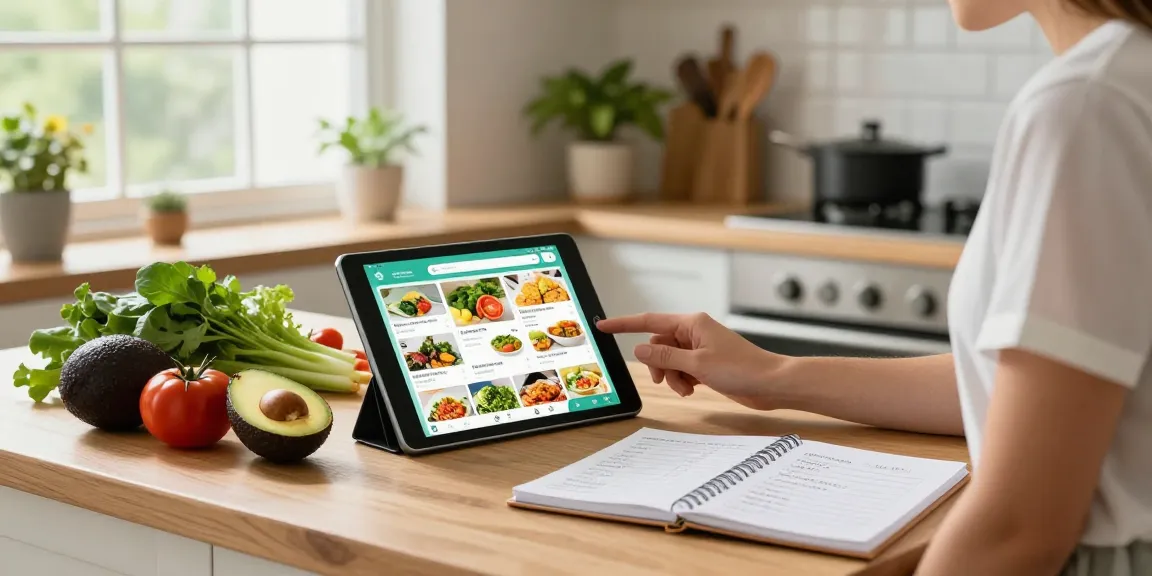
Understanding Food Tracking Apps and Their Benefits
In today’s health-conscious world, food tracking apps have emerged as essential tools for anyone looking to manage their dietary habits. With a plethora of options available, understanding which app can best help you achieve your health goals is crucial. Each app offers unique features designed to cater to different needs, making it vital to evaluate them critically. When exploring options, best food tracker reviews can guide you in selecting the right fit.
What is a Food Tracking App?
A food tracking app is a digital tool that allows users to log meals, track caloric intake, and manage nutritional goals. These applications typically feature extensive food databases, barcode scanning capabilities, and personalized feedback mechanisms. They are designed to simplify the process of tracking what you eat, making it easier to adhere to particular dieting strategies, whether for weight loss, muscle gain, or simply healthier living.
Key Benefits of Using a Food Tracker for Health Goals
- Increased Awareness: Food trackers enhance your understanding of dietary habits by providing real-time feedback on what you eat.
- Goal Setting: Most apps allow users to set personalized nutritional goals, making it easier to stay focused.
- Accountability: Logging meals can create a sense of accountability, which is essential for maintaining a healthy lifestyle.
- Educational Insights: Many apps offer educational resources about nutrition, helping users make informed dietary choices.
How Food Trackers Support Dietary Choices
Food tracking apps support dietary choices by providing users with detailed insights into their nutritional intake. They can help identify deficiencies or excesses in specific nutrients, enabling users to adjust their diets accordingly. Additionally, many applications integrate with fitness trackers, offering a comprehensive view of your health by correlating dietary habits with physical activity.
Top 2026 Food Trackers Reviewed
As we look into the best food tracking apps of 2026, our comprehensive reviews assess various factors, including usability, accuracy, and features. The landscape of food tracking is dynamic, with each year bringing new advancements in technology and user interface design. The following rankings showcase the top contenders in this category, based on extensive testing and user feedback.
Ranking the Best Food Trackers: A Comparative Overview
This year’s top food trackers have been evaluated across eleven critical segments, ensuring that each app fits the diverse needs of users. From ease of use to the richness of the food database, these rankings provide insights into which app may be the best fit for your specific goals.
In-Depth Reviews of Leading Food Tracking Apps
- Welling: Leading the pack, Welling offers personalized nutrition coaching and an intuitive interface that makes logging meals effortless.
- Cronometer: Known for its micronutrient tracking, Cronometer provides users with detailed analytics about their diet quality.
- MacroFactor: This app adjusts caloric needs based on individual metabolic data, making it an excellent choice for those focused on macro management.
- YAZIO: With a strong European database, YAZIO supports meal planning and has many built-in recipes.
- Lifesum: Lifesum offers a visually appealing interface along with fun challenges to keep users motivated.
- Carb Manager: Tailored for those following low-carb diets, Carb Manager excels in keto recipe planning.
How to Choose the Best Food Tracker for Your Needs
Choosing the best food tracker depends on your personal goals and lifestyle. Some key considerations to keep in mind include:
- Objective: Define whether your primary goal is weight loss, muscle gain, or general health improvement.
- User Experience: Look for apps with user-friendly interfaces that you are comfortable navigating.
- Features: Determine which features are essential for you, such as barcode scanning, meal planning, or coaching.
- Dietary Preferences: Ensure the app supports the dietary preferences or restrictions you’re following.
Analyzing App Accuracy and Database Quality
When it comes to food tracking, accuracy is paramount. A food tracking app is only as good as the data it provides. In this section, we delve into the nuances of app accuracy and the critical role database quality plays in tracking health effectively.
How Accurate are AI-Driven Food Trackers?
AI-driven food trackers use advanced algorithms to analyze food images and provide calorie counts. However, accuracy can vary significantly based on factors such as image quality and food presentation. Our testing reveals that while some AI trackers boast high accuracy rates, others fall short, prompting the need for consumer awareness.
The Importance of Food Database Quality Over Size
Many users are misled by the size of a food database, believing that a larger database translates to better accuracy. However, what truly matters is the quality and verification of the entries. Apps with reliable and validated entries can provide a more accurate tracking experience, leading to better health outcomes.
Testing and Verifying Food Tracking Accuracy
At Food Tracking Lab, we meticulously test each app by logging thousands of real meals and cross-referencing with USDA data. By publishing our formulas and methodologies, we allow users to understand how we arrive at our scores, ensuring transparency and trust in our rankings.
Maximizing Your Experience with Food Tracking Apps
Using a food tracking app can significantly enhance your dietary habits, but maximizing its benefits requires specific strategies. Here are some best practices to get the most out of your food tracker.
Best Practices for Daily Meal Logging
- Be Consistent: Log your meals daily to build a comprehensive picture of your dietary habits.
- Use Barcode Scanning: Take advantage of barcode scanning features to save time and improve accuracy.
- Stay Honest: Ensure that you log everything you eat—including snacks and beverages—to avoid misleading data.
Tips for Using Food Trackers to Achieve Weight Loss Goals
To effectively use a food tracker for weight loss, consider these tips:
- Set Realistic Goals: Aim for gradual weight loss and set achievable milestones.
- Monitor Progress: Regularly check your progress and adjust goals as necessary based on your journey.
- Utilize Community Features: Engaging with community platforms within the app can provide motivation and support.
Integrating Food Tracking into Your Fitness Routine
Integrating food tracking with your fitness routine enhances the overall effectiveness of your health regimen. Syncing your workouts with diet tracking offers insights into how your nutrition influences your performance and recovery.
Future Trends in Food Tracking Technology
The future of food tracking technology is exciting, with advancements promising to make food tracking easier and more intuitive. Here we explore potential future trends and features.
The Role of AI in the Future of Food Tracking
Artificial Intelligence is set to revolutionize food tracking further. Future apps may offer enhanced personalization, predictive analytics for meal suggestions, and even real-time dietary adjustments based on user feedback and lifestyle changes.
Emerging Features to Look for in Food Trackers
As technology evolves, new features are likely to emerge in food tracking apps. These may include:
- Enhanced Visual Recognition: Improvements in AI for better recognition of complex dishes.
- Voice Logging: Allowing users to log their meals effortlessly while multitasking.
- Integrated Health Monitoring: Seamlessly combining nutrition tracking with health metrics like sleep and stress levels.
Predictions for Food Tracking Apps in 2026 and Beyond
By 2026, we predict that food tracking apps will become even more integrated with wearables and smart home devices, providing a holistic view of health management. Increased focus on community engagement and gamification can also be expected to keep users motivated and accountable.
What are the best food tracking apps available today?
Finding the best food tracking app hinges on your individual needs. The apps we’ve reviewed cater to a variety of dietary preferences and goals, ensuring that there’s a suitable option for everyone.
Can food tracking apps effectively help with weight loss?
Research has shown that food tracking apps can indeed help with weight loss, particularly when used diligently. However, choosing the right app is crucial for maximizing these benefits.
How can I choose the right food tracker for my lifestyle?
To choose the right food tracker, consider your dietary goals, preferred features, and user experience. Look for apps that align with your lifestyle for the best results.
What features should I look for in a food tracking app?
Key features to look for include a user-friendly interface, comprehensive food databases, barcode scanning, meal planning capabilities, and community support mechanisms.
Are food tracking apps accurate for logging nutrition?
While many food tracking apps offer a high degree of accuracy, the quality of their food databases and their logging methods plays a significant role in their reliability.


