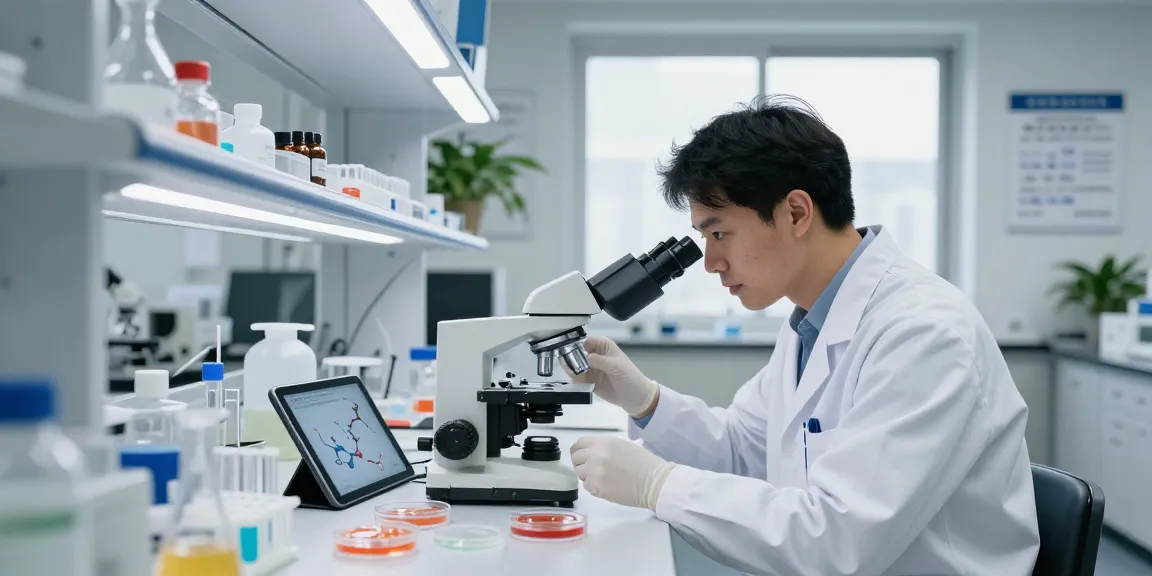
Introduction to Copper Peptide Research
Copper peptides have emerged as an important area of study in the fields of dermatology and regenerative medicine. These biocompatible compounds are gaining recognition for their roles in wound healing, skin repair, and overall cellular health. As the landscape of cosmetic science continues to evolve, understanding the significance of copper peptide research has never been more critical. When exploring options, copper peptide research provides comprehensive insights into their mechanisms, benefits, and applications.
What are Copper Peptides?
Copper peptides are small protein fragments that have the ability to bind copper ions. This unique bonding capability allows copper peptides to not only stabilize the copper but also enhance its biological activity. Commonly cited examples include GHK-Cu and Lysine-Cu, which have garnered significant attention for their therapeutic properties. They are characterized by their signaling role in various biological processes, including angiogenesis, collagen synthesis, and tissue remodeling.
History and Evolution of Copper Peptide Research
The study of copper peptides can be traced back to the 1970s when researchers began to explore their potential in wound healing and skin repair. Initial studies suggested that copper played a critical role in promoting collagen and elastin synthesis, which are vital components of skin structure. Over the years, research has evolved, expanding into diverse fields such as anti-aging treatments, hair loss prevention, and even cancer therapies, demonstrating the versatility of these powerful peptides.
Importance of Copper Peptides in Modern Science
In the contemporary scientific landscape, copper peptides are recognized for their multifaceted roles in cellular rejuvenation and tissue repair. Their ability to stimulate the production of growth factors and enhance antioxidant defenses makes them crucial in addressing various dermatological and medical conditions. Furthermore, as the interest grows in biocompatible materials for tissue engineering, copper peptides offer promising prospects due to their inherent properties that support cell adhesion and proliferation.
Key Applications of Copper Peptide Research
Copper Peptides in Skincare: Benefits and Insights
Copper peptides are widely celebrated in the cosmetic industry, primarily for their ability to promote skin healing, improve elasticity, and reduce the appearance of fine lines and wrinkles. These peptides stimulate fibroblasts, which are the cells responsible for collagen production, leading to a firmer and more youthful-looking skin. Additionally, studies have shown that copper peptides can enhance the skin barrier function, providing protection against environmental stressors.
Impacts of Copper Peptides on Wound Healing
Research into the therapeutic applications of copper peptides in wound healing has yielded promising results. They have been shown to accelerate wound closure, reduce inflammation, and promote angiogenesis—the formation of new blood vessels—which is crucial for supplying nutrients and oxygen to healing tissues. The use of copper peptide formulations in clinical settings has demonstrated their efficacy in treating chronic wounds and burns, where traditional methods often fall short.
Innovative Uses in Tissue Engineering
In tissue engineering, copper peptides are emerging as valuable components in scaffolds designed for regenerative medicine. Their ability to modulate cellular responses and enhance tissue integration makes them ideal for applications involving skin grafting, bone repair, and vascularization. Ongoing research is focusing on optimizing the delivery systems for copper peptides, ensuring that they provide maximum therapeutic benefit while minimizing potential side effects.
Understanding the Science Behind Copper Peptides
Molecular Mechanism: How Copper Peptides Work
The molecular mechanisms of copper peptides are complex and involve multiple pathways. When copper peptides bind to their specific receptors on cell surfaces, they activate signaling cascades that lead to increased collagen production and the regulation of inflammatory responses. This interaction also enhances the synthesis of extracellular matrix components, crucial for tissue repair and regeneration.
Research Methodologies in Copper Peptide Studies
Copper peptide research typically employs a variety of advanced methodologies, including in vitro cell culture studies, in vivo animal models, and clinical trials. These studies help elucidate the effects of copper peptides on skin cells, wound healing processes, and overall health. Techniques such as mass spectrometry and enzyme-linked immunosorbent assays (ELISA) are frequently used to analyze the biological activity and efficacy of these peptides in different formulations.
Challenges in Copper Peptide Research
Despite their potential, several challenges remain in copper peptide research. One significant hurdle is the stability of copper peptides in cosmetic formulations, as they can degrade when exposed to light or air. Additionally, standardizing dosages across different products and ensuring consistent results in clinical applications are ongoing concerns. Efforts are being made to address these challenges through innovative delivery systems and protective formulations.
Best Practices for Incorporating Copper Peptides
Choosing the Right Formulation for Your Research
Selecting the appropriate copper peptide formulation is critical for achieving desired outcomes. Researchers must consider factors such as the type of copper peptide, concentration levels, and compatibility with other ingredients. In formulations, copper peptides can be combined with antioxidants or other actives to enhance their effects, but care must be taken to ensure stability and efficacy.
Implementing Copper Peptides into Products
When incorporating copper peptides into skincare products, manufacturers should focus on developing stable and effective formulations. A comprehensive understanding of the interactions between copper peptides and other ingredients is essential to maintain their activity. Conducting thorough stability testing and consumer safety assessments can help ensure that products deliver on their promises without adverse effects.
Safety and Regulatory Considerations in Research
Safety is a paramount concern in any research involving copper peptides. Regulatory agencies require thorough toxicological assessments to determine the safety profiles of new formulations. It is crucial for researchers and manufacturers to adhere to these regulations and to conduct ongoing monitoring of products in the market to address any potential safety issues that may arise.
Future Trends in Copper Peptide Research
Emerging Technologies and Innovations by 2026
The future of copper peptide research is bright, with emerging technologies set to revolutionize their applications. Advances in nanotechnology may enable more efficient delivery systems that enhance absorption and efficacy in both cosmetic and medical contexts. Additionally, the use of artificial intelligence in peptide design is expected to accelerate the development of more effective formulations tailored to individual needs.
Potential New Applications and Discoveries
As research continues to unfold, potential new applications for copper peptides are being identified. This includes their use in treating not only skin conditions but also chronic diseases that involve tissue degeneration, such as osteoarthritis. Furthermore, insights gained from ongoing studies may lead to breakthrough discoveries in the field of regenerative medicine, paving the way for innovative therapies.
Collaborative Efforts in the Peptide Research Community
Collaboration among researchers, clinicians, and industry professionals is key to advancing copper peptide research. Shared knowledge and resources can help overcome existing challenges and drive forward the development of new applications. Conferences, workshops, and partnerships will play a vital role in fostering innovation and ensuring that the potential of copper peptides is fully realized in various fields.
What are the main benefits of copper peptides?
Copper peptides offer a myriad of benefits, including enhanced skin healing, reduced signs of aging, improved skin elasticity, and anti-inflammatory effects. They have also been linked to improved hair growth and overall hair health.
How do copper peptides compare to other cosmetic ingredients?
Unlike many other cosmetic ingredients, copper peptides stimulate natural processes such as collagen production and tissue repair rather than merely providing superficial benefits. This holistic approach makes them a unique and effective choice in skincare formulations.
What should researchers know about the safety of copper peptides?
While copper peptides are generally regarded as safe, researchers should remain aware of potential side effects, including irritation or allergic reactions in sensitive individuals. Conducting thorough safety assessments is essential for any new formulation.
How can copper peptides enhance wound healing?
Copper peptides enhance wound healing by accelerating cell migration, promoting new blood vessel formation, and increasing the synthesis of collagen and other extracellular matrix components, which are essential for tissue repair.
What future developments can we expect in copper peptide research?
Future developments in copper peptide research are likely to center around improved formulations, innovative delivery systems, and expanded applications in regenerative medicine, potentially revolutionizing treatments for various conditions.