
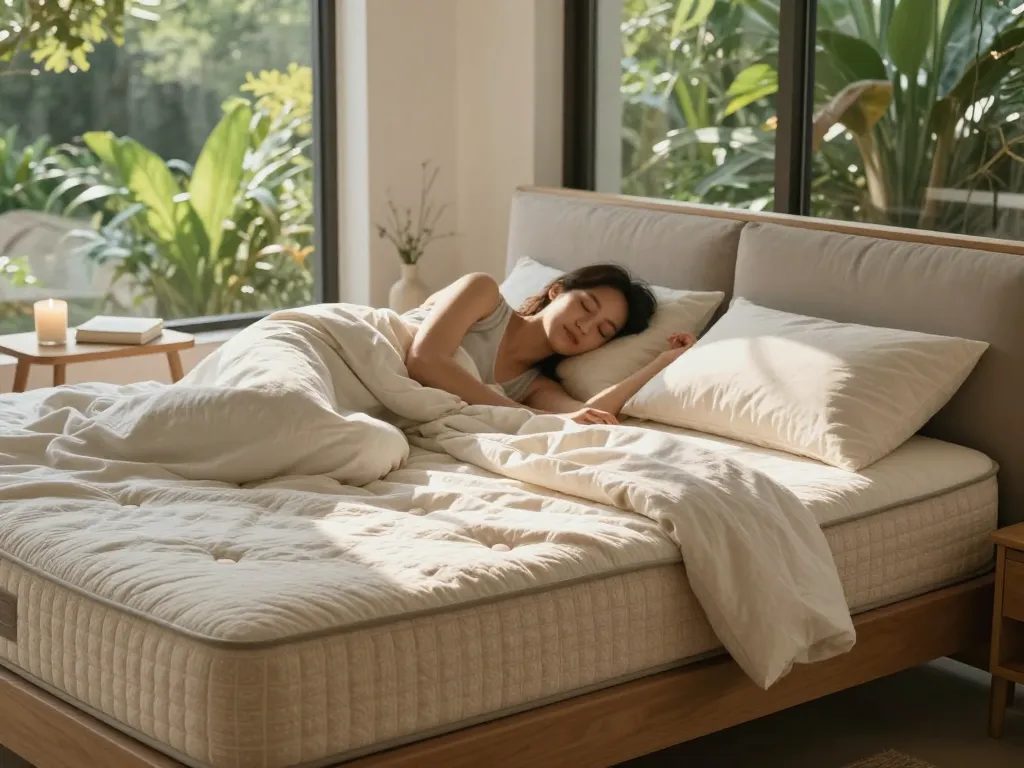
Understanding Natural Mattresses
As the awareness of health and sustainability continues to grow, many consumers are diving into the world of natural mattresses. With their promise of a healthier sleep environment and eco-friendly credentials, natural mattresses are becoming highly sought-after options in the bedding market. When exploring options, Natural Mattress offerings typically include organic materials that enhance comfort while ensuring minimal impact on our planet.
What is a Natural Mattress?
A natural mattress is typically constructed using sustainable materials like organic cotton, natural latex, wool, and coconut coir, which are free from harmful chemicals such as pesticides and synthetic foams. These materials not only contribute to a healthier sleeping environment but also ensure that the mattress is biodegradable and sustainable, making it a great choice for eco-conscious consumers.
Benefits of Using Natural Mattress Materials
- Healthier Sleep Environment: Natural mattresses are free from harmful volatile organic compounds (VOCs) and toxic chemicals, reducing the risk of allergies and respiratory issues.
- Comfort and Support: Materials like latex and wool provide excellent support and comfort by contouring to the body's natural shape.
- Temperature Regulation: Natural materials offer better breathability compared to synthetic options, helping to regulate body temperature for a more comfortable night's sleep.
- Eco-Friendly: Sourcing materials sustainably reduces the carbon footprint, while the biodegradability of natural mattresses minimizes landfill waste.
Common Types of Natural Mattresses
Natural mattresses come in several types, catering to different preferences and sleep styles. The most common include:
- Latex Mattresses: Made from natural latex tapped from rubber trees, these mattresses are known for their durability and excellent support.
- Wool Mattresses: Wool provides natural insulation and moisture-wicking properties, making it suitable for year-round use.
- Hybrid Mattresses: Combining natural latex with pocket springs, hybrid mattresses offer the benefits of both worlds—supportiveness and comfort.
- Organic Cotton Mattresses: These mattresses utilize organic cotton as a top layer for a soft and breathable surface.
Choosing the Right Natural Mattress for Your Needs
With various options available, selecting the ideal natural mattress can seem overwhelming. It’s essential to consider your unique preferences and requirements to make an informed decision.
Identifying Your Sleep Preferences
Your sleeping position greatly influences the type of mattress that’s best for you. Side sleepers may benefit from a softer mattress that cushions the shoulders and hips, while back or stomach sleepers usually require a firmer surface. When selecting a natural mattress, examine how different materials can meet these needs, ensuring an optimal blend of comfort and support.
Assessing Mattress Firmness and Support
Mattress firmness is often rated on a scale from soft to firm. It’s crucial to test how the firmness aligns with your body weight and sleeping preferences. A heavier individual might prefer a firmer mattress, while a lighter person may find a softer mattress more comfortable. Ensure that your choice provides adequate support for spinal alignment to prevent body aches.
How to Select Eco-Friendly Certifications
When shopping for a natural mattress, look for certifications that ensure the product meets high environmental and safety standards. Key certifications to consider include:
- Global Organic Textile Standard (GOTS): Certifies that the mattress is made from organic fibers processed without harmful chemicals.
- OEKO-TEX Standard 100: Ensures that the mattress is free from harmful substances.
- CertiPUR-US: Verifies that any foam used is made without ozone depleters and harmful chemicals.
Comparing Natural Mattress Brands
With many brands vying for attention in the natural mattress market, it’s beneficial to research key players to identify which brand aligns with your values and needs.
Top Brands in the Natural Mattress Market
Some notable brands include:
- Avocado: Known for its commitment to sustainability, Avocado mattresses feature organic latex and non-toxic materials.
- Birch Living: Offers a natural and organic mattress with excellent pressure relief and breathability.
- Naturepedic: Focuses on healthier materials, providing a range of organic mattresses that appeal to eco-conscious consumers.
Materials and Techniques Used by Leading Brands
Different brands utilize various material combinations and construction techniques. For instance, Avocado often focuses on multi-layer designs with organic cotton, while Birch emphasizes wool for temperature regulation. Understanding these nuances can help you make a better decision based on your preferences.
Customer Reviews and Feedback Analysis
Before making a purchase, reading customer reviews provides insight into real-world experiences with specific mattresses. Look for feedback on comfort, durability, and customer service to gauge a brand's reliability.
Care and Maintenance of Your Natural Mattress
To ensure longevity and maintain optimal performance, proper care and maintenance is essential for your natural mattress.
Best Practices for Mattress Longevity
- Rotate Regularly: Rotate your mattress every few months to distribute wear evenly.
- Use a Mattress Protector: Protect against spills, stains, and allergens.
- Avoid Heavy Loading: Minimize sitting on the edge of the mattress and avoid using it for activities other than sleep.
Eco-Friendly Cleaning Methods
Maintaining your mattress can be done using natural cleaning methods. Vacuuming regularly and spot cleaning with a mixture of water and mild detergent can effectively keep your mattress fresh. Avoid aggressive chemicals, as they can break down natural fibers over time.
Signs It’s Time to Replace Your Natural Mattress
Even the best mattresses have a lifespan. Common signs that it’s time to consider a replacement include:
- Visible sagging or lumps
- Persistent discomfort or pain during sleep
- Allergic reactions or increased sensitivity
- Age – typically, natural mattresses last around 7-10 years
The Future of Natural Mattresses in 2026
The future of natural mattresses looks promising, with ongoing innovations in sustainable materials and technologies that enhance sleep quality.
Emerging Trends in Sustainable Sleep Products
As consumers continue to prioritize sustainability, trends such as biodegradable materials and carbon-neutral production processes are becoming more prevalent in the mattress industry. Brands are also beginning to incorporate recycled materials into their designs.
Innovative Technologies to Watch
Technologies such as adjustable firmness features and smart mattresses with sleep tracking capabilities are on the rise, aiming to tailor sleep experiences to individual needs more precisely than ever before.
How Sustainability Will Shape Consumer Choices
As awareness around environmental issues increases, consumers are likely to gravitate towards products that align with their values. This shift will push brands to elevate their sustainability practices, ensuring that natural mattresses not only support healthy sleep but also contribute positively to the planet.
What materials are considered in a natural mattress?
Natural mattresses are primarily composed of organic cotton, wool, natural latex, and coconut coir that are sustainably sourced and processed without harmful chemicals.
How long does a natural mattress typically last?
On average, natural mattresses can last between 7 to 10 years, depending on the quality of materials used and proper maintenance.
Are natural mattresses suitable for all sleep positions?
Yes, most natural mattresses offer varying levels of firmness and support, ensuring suitability for back, side, and stomach sleepers.
What certifications should I look for in a natural mattress?
Look for certifications such as GOTS, OEKO-TEX, and CertiPUR-US to ensure the mattress meets environmental and safety standards.
Can natural mattresses help with allergies?
Yes, because they are made from natural materials and are generally free from synthetic chemicals, natural mattresses can be a great choice for allergy sufferers.. Additionally, extra firm mattress provides further details.