Understanding the Benefits of Massage
Massage therapy has long been recognized for its profound effects on both physical and mental well-being. Not only can it alleviate muscle tension and promote relaxation, but it also plays a vital role in enhancing overall wellness. In recent years, as more people seek holistic approaches to health, the relevance of 마사지 has grown significantly. This article delves into the myriad benefits of massage, helping you understand its importance and how it can improve your quality of life in various ways.
Physical and Mental Health Advantages
Massage has a multitude of benefits that can positively impact your physical health. One of the primary advantages is pain relief; studies have shown that massage therapy can significantly reduce chronic pain conditions, such as lower back pain and arthritis. The therapeutic effect is often attributed to increased circulation, which facilitates the delivery of oxygen and nutrients to muscle tissue, speeding up recovery and reducing soreness.
Moreover, massage is known to enhance mental health. It can effectively decrease symptoms of anxiety and depression by lowering cortisol levels—often referred to as the stress hormone—while simultaneously boosting serotonin and dopamine, neurotransmitters that promote feelings of happiness and well-being. The calming touch of massage can also lead to improved sleep patterns, which further enhances mental health.
Massage as a Stress Relief Tool
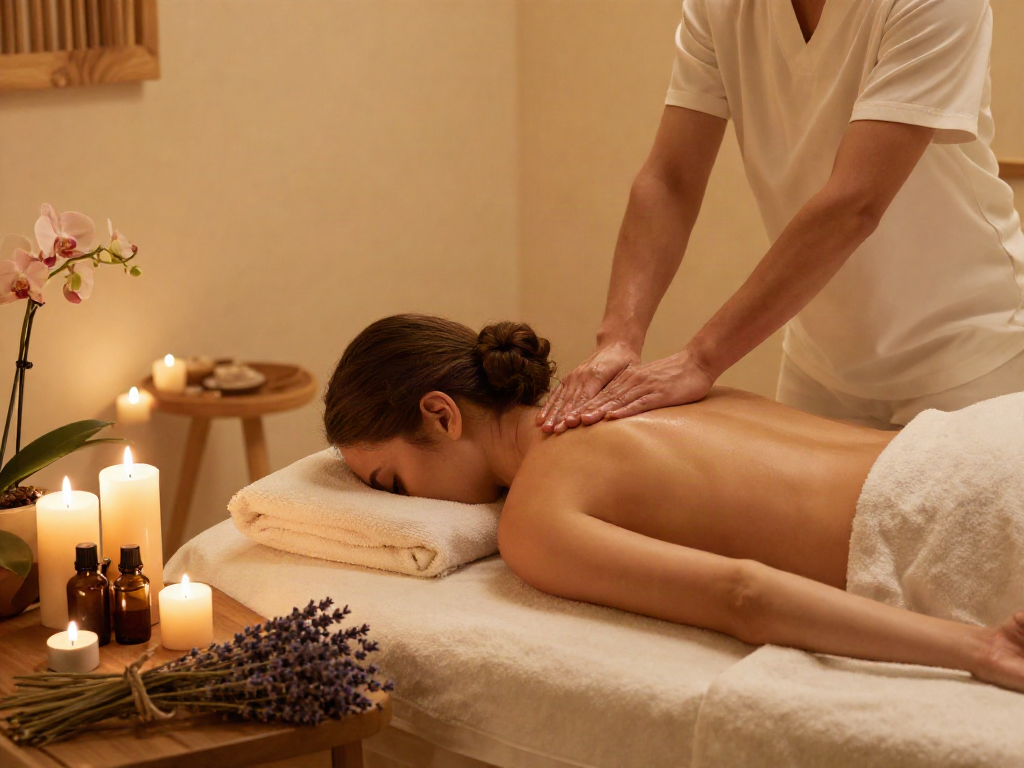
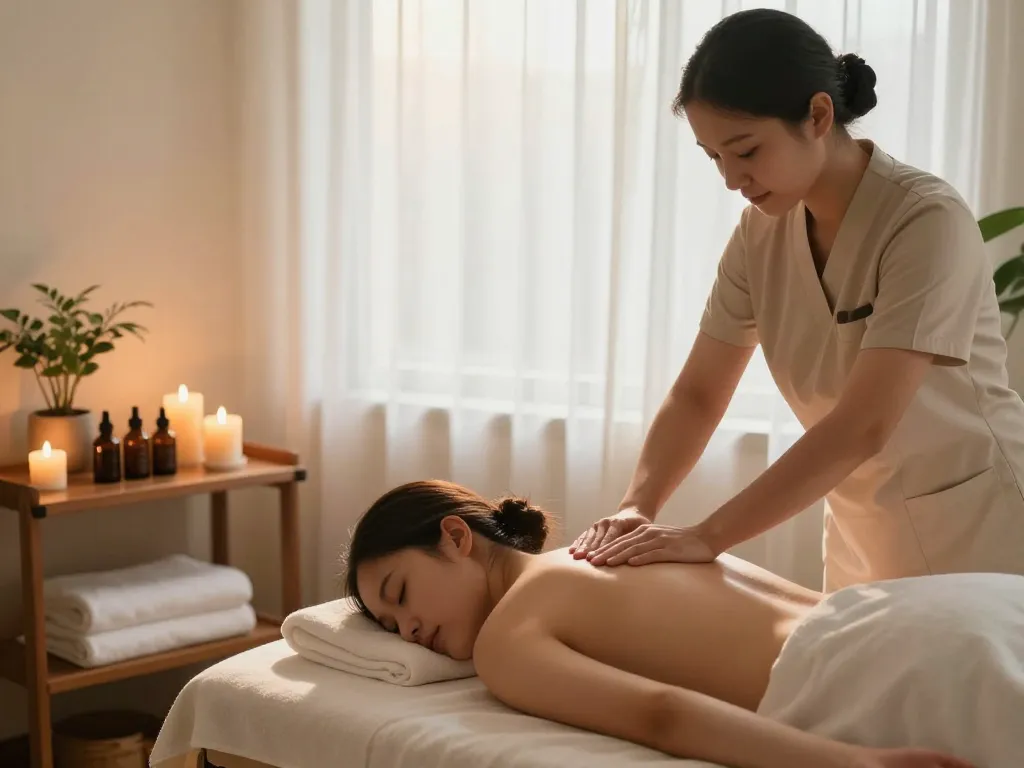
In today’s fast-paced world, stress has become a common affliction. The pressures of daily life can take a toll on both mental and physical health. Massage serves as a powerful tool for stress relief, providing not just immediate relaxation but also long-term benefits. Techniques such as Swedish massage emphasize gentle, flowing strokes that help soothe the nervous system. This type of massage not only feels good but also helps to reduce muscle tension and promotes a sense of calm.
For those with busy lifestyles or high-stress jobs, regular massage therapy can be an integral part of a self-care routine. Many people find it to be an enjoyable escape that allows them to disconnect from their daily stresses and reconnect with their bodies.
Techniques to Enhance Well-Being
There are various massage techniques tailored to individual needs, each offering unique benefits. For example, deep tissue massage focuses on the deeper layers of muscle and connective tissue, making it particularly beneficial for individuals recovering from injury or those with chronic pain. On the other hand, aromatherapy massage incorporates essential oils, enhancing the experience with therapeutic scents that can further alleviate stress and promote emotional balance.
Choosing the right technique involves understanding your specific needs and preferences. A consultation with a trained therapist can help determine the best approach, ensuring you receive the maximum benefits from your massage sessions.
Exploring Different Massage Styles
Swedish and Deep Tissue Massage Explained
Swedish massage is arguably the most well-known form of massage therapy. It involves long, flowing strokes, kneading, and gentle movements that promote relaxation and improved circulation. This technique is excellent for beginners and those looking to unwind after a long week.
Deep tissue massage, on the other hand, is designed for those seeking relief from chronic tension and pain. This technique employs slower strokes and deeper pressure to target the inner layers of muscles and connective tissues. It is particularly effective for those who lead an active lifestyle or who experience chronic pain in specific areas.
Alternative Techniques: Thai and Aromatherapy
Thai massage offers a unique experience through a combination of acupressure and yoga-like stretching. It emphasizes energy lines and can be invigorating, making it an excellent choice for those looking to increase flexibility and energy levels. In contrast, aromatherapy massage utilizes essential oils tailored to your emotional and physical needs, combining the healing properties of touch with the power of scent.
Choosing the Right Massage for Your Needs
When selecting a massage style, consider your physical condition, purpose for the massage, and personal preferences. A good therapist will ask questions to tailor the session to your needs, ensuring you receive not only relaxation but also therapeutic benefits.
Common Misconceptions About Massage
Debunking Myths Surrounding Massage Therapy
Despite its growing popularity, several misconceptions surround massage therapy. Many people believe that massage is a luxury rather than a necessity for wellness. However, regular sessions can prevent many health issues, and for many, it is a vital part of maintaining physical and mental health.
Another common misconception is that massage is only beneficial for those in pain. In reality, massage can be incredibly beneficial even for those who feel healthy; it can enhance performance, prevent injury, and improve overall well-being.
The Legal Landscape of Massage Services
As the demand for massage therapy increases, so does the need for regulation within the industry. Each state has its own laws regarding massage therapy practices. Understanding these regulations is crucial for both therapists and clients to ensure that services provided are legitimate and safe.
Clarifying Professional vs. Unlicensed Practitioners
It is essential to differentiate between licensed professionals and unlicensed practitioners. Licensed massage therapists undergo formal training and must adhere to industry standards and practices. In contrast, unlicensed individuals may not have the required training and could pose risks to clients. When seeking massage services, it is crucial to verify the credentials of the therapist to ensure a safe and effective experience.
Best Practices for Practicing Massage
Essential Skills Every Therapist Should Master
For those pursuing a career in massage therapy, mastering fundamental skills is crucial. Key competencies include a thorough understanding of human anatomy, effective communication, and the ability to customize techniques based on a client’s feedback and needs. Strong interpersonal skills can also significantly enhance the therapeutic relationship between the therapist and client.
Creating a Safe and Comfortable Environment
Creating the right atmosphere is vital for effective massage therapy. A safe and comfortable environment can enhance relaxation and allow clients to benefit fully from the therapy. This includes appropriate lighting, soothing music, and a respectful approach to each client’s comfort level.
Practical Tips for Effective Client Communication
Effective communication is fundamental in massage therapy. Therapists should encourage clients to express their needs, preferences, and any discomfort they may experience during a session. This open dialogue helps create an individualized treatment plan and ensures a comforting and beneficial experience.
Future Trends in the Massage Industry
Technological Innovations in Massage Therapy
The massage industry is advancing alongside technology. Innovations such as massage chairs and apps for booking services have changed how clients experience massage therapy. These technologies can enhance convenience and accessibility, allowing clients to schedule appointments easily and locate nearby therapists.
Growing Popularity of Mobile Massage Services
Mobile massage services are on the rise, providing flexibility and convenience to clients who prefer receiving treatments in the comfort of their own homes. This trend caters to busy professionals, parents, and anyone looking to incorporate regular massage into their routine without the hassle of traveling.
Predictions for the Massage Profession in 2026
Looking ahead, the massage profession is expected to continue evolving. As more individuals recognize the benefits of massage therapy, demand is likely to increase. This growing interest may lead to more educational programs, greater regulatory standards, and an expansion of massage modalities available to consumers.
What Are the Benefits of Regular Massage Therapy?
Regular massage therapy sessions can contribute significantly to overall well-being. Benefits include reduced stress levels, improved circulation, enhanced flexibility, and relief from muscle tension. For those struggling with chronic pain or stress, establishing a routine can lead to long-term improvements in health.
How Do I Choose the Right Massage Therapist?
Choosing the right massage therapist involves research and understanding your specific needs. Look for licensed professionals with good reviews and recommendations. Don’t hesitate to ask therapists about their specialties and experience to find one that aligns with your wellness goals.
What Should I Expect During My First Massage?
During your first massage, expect an initial consultation where the therapist will assess your needs and preferences. The session will follow with a focus on relaxation and tension relief, with adjustments made based on your feedback throughout the treatment.
Are There Risks Associated with Massage Therapy?
While massage therapy is generally safe, some individuals may experience soreness after a session, particularly if they are not accustomed to massage. It is essential to communicate any health conditions or concerns to your therapist to ensure a safe experience.
How Often Should I Get a Massage for Best Results?
The frequency of massage therapy depends on individual needs and lifestyle. Many people find that regular sessions—once every week or bi-weekly—offer significant benefits, while others might opt for monthly appointments. It’s crucial to listen to your body and consult with your therapist to determine the best schedule for you.