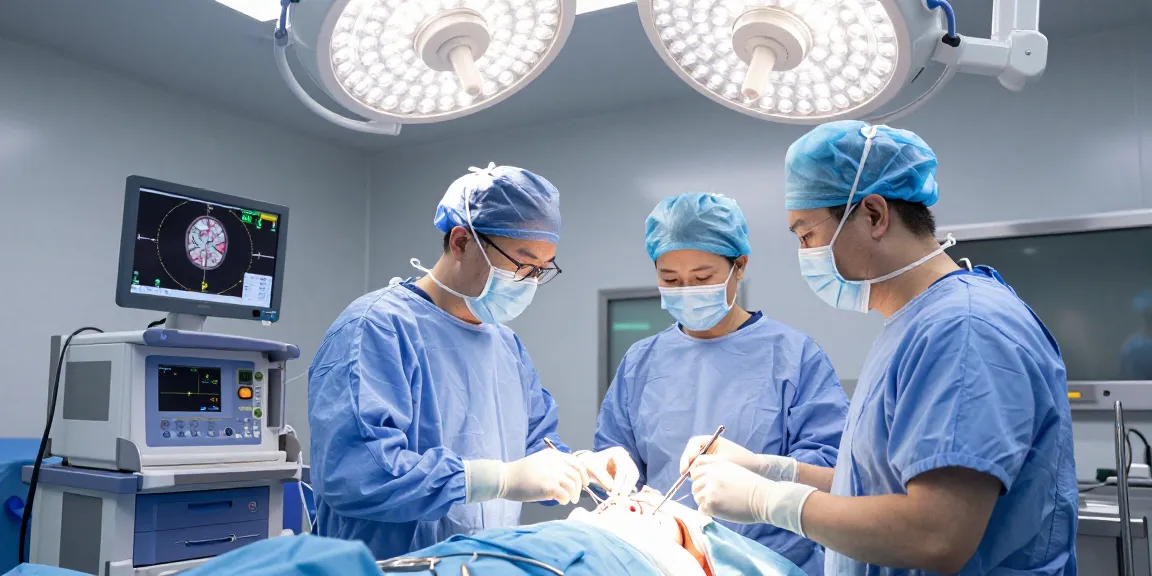
Understanding Beyin Tümörü Ameliyatı: Essential Concepts
Brain tumor surgery, or beyin tümörü ameliyatı, represents a critical intervention for treating both benign and malignant tumors within the brain. This intricate medical procedure not only aims to remove the tumor but also seeks to preserve surrounding healthy brain tissue, making it one of the most demanding aspects of neurosurgery. With advancements in surgical techniques and technology, the efficacy and safety of these surgeries have significantly improved, allowing for better outcomes and quicker recovery times for patients. Whether due to symptoms directly related to the tumor, such as seizures or cognitive dysfunction, or incidental findings during imaging for unrelated conditions, the decision to pursue surgery is both complex and individualized.
What is Brain Tumor Surgery?
Brain tumor surgery involves the removal of abnormal growths within the cranial cavity, which can be classified broadly into benign tumors, which generally grow slowly and have a good prognosis, and malignant tumors, which are aggressive and can invade surrounding brain regions. The surgical approach is meticulously determined based on the tumor's type, size, location, and the patient's overall health condition. Techniques may range from traditional open surgery to minimally invasive methods, such as endoscopy or stereotactic surgery.
Types of Brain Tumors and Surgical Approaches
There are several common types of brain tumors, including meningiomas, gliomas, and metastatic tumors that originate from other body parts. Meningiomas arise from the protective layers of the brain and often have a benign nature. They are frequently approached through craniotomy for direct tumor resection. Gliomas, particularly glioblastomas, present a more complex surgical challenge due to their aggressive growth patterns and proximity to critical brain structures. Advanced imaging and surgical planning are paramount in maximizing the resection while minimizing neurological deficits. Additionally, metastatic brain tumors can require a combination of surgical intervention and systemic therapies depending on their origin and the patient's condition.
The Importance of Meningioma in Beyin Tümörü Ameliyatı
Meningiomas are among the most frequently encountered brain tumors in adults and significantly influence surgical practice. They originate from the meninges, the protective membranes that cover the brain and spinal cord. Their generally benign nature allows for a favorable surgical outlook; however, their location and size can complicate access and resection. Surgical intervention is often the first-line treatment, especially in symptomatic cases.
Characteristics of Meningioma Tumors
Meningiomas can vary in grade, with Grade 1 being benign and typically requiring only surgical resection. Grade 2 meningiomas are atypical, posing a higher risk of recurrence, while Grade 3 tumors are malignant and may require additional treatments like radiation therapy. These tumors can grow slowly and often go unnoticed until they become large enough to cause neurological symptoms. Preoperative imaging, such as MRI, plays a vital role in assessing the tumor's size, location, and relation to surrounding brain structures.
Complexities in Surgical Techniques for Meningioma
The surgical strategy for meningioma resection is tailored according to its specific characteristics, such as its proximity to vital structures, vascular supply, and the presence of edema. Surgeons may utilize neuronavigation systems to enhance precision during resection. Additionally, intraoperative monitoring is crucial to safeguard critical brain functions, particularly in cases involving eloquent cortex areas responsible for speech and motor functions.
Long-term Prognosis and Monitoring
The prognosis for patients undergoing surgery for meningioma is generally favorable, especially for Grade 1 tumors where complete resection is achieved. Regular follow-up with MRI is essential to monitor for recurrence, particularly in higher-grade tumors. The integration of multidisciplinary teams in post-operative care ensures comprehensive management, addressing both physical rehabilitation and neurological recovery.
Innovative Techniques in Beyin Tümörü Ameliyatı
The landscape of brain tumor surgery is rapidly evolving with technological advancements that enhance surgical outcomes. Innovations such as awake surgery, enhanced imaging modalities, and non-invasive treatments like the Gamma Knife are reshaping traditional approaches to treatment.
Awake Surgery: Advantages and Challenges
Awake brain surgery is a revolutionary technique that allows surgeons to perform tumor resection while the patient is awake. This method is particularly beneficial for tumors located near critical brain areas controlling speech and motor functions. By interacting with the patient during surgery, neurosurgeons can identify and preserve essential neural pathways, thereby mitigating the risk of postoperative deficits. However, this technique requires careful selection of patients and thorough anesthetic management to ensure comfort and cooperation.
The Role of Neuronavigation Systems in Surgery
Neuronavigation systems are becoming increasingly integral in brain tumor surgeries, providing real-time navigation and imaging to improve surgical accuracy. These systems allow surgeons to visualize the relationship between the tumor and surrounding brain structures with high precision, facilitating safer resections and potentially reducing operative times. The combination of 3D imaging technologies and intraoperative feedback significantly enhances the surgeon's ability to navigate complex brain anatomy.
Gamma Knife Treatment: A Non-Invasive Option
The Gamma Knife is a non-invasive treatment option that utilizes focused radiation to target and destroy tumor cells while preserving surrounding healthy tissue. This technique is particularly valuable for patients who may not be candidates for traditional surgery due to the tumor's location or the patient's overall health. The procedure is typically performed on an outpatient basis, allowing for quick recovery and minimal disruption to the patient's daily life.
Risks and Recovery After Beyin Tümörü Ameliyatı
While advances in surgical techniques have improved safety, brain tumor surgeries still carry inherent risks. Understanding these risks, as well as the recovery process, is crucial for patients and their families.
Common Risks Associated with Brain Surgery
Risks associated with brain tumor surgery can include infection, bleeding, neurological deficits, and complications related to anesthesia. Patients should be well-informed about these potential complications and the signs to watch for in the immediate post-operative period. The surgical team's experience and meticulous planning can significantly mitigate these risks.
Post-operative Care and Recovery Process
Post-operative recovery varies widely among patients and is influenced by the type of surgery and individual health factors. Most patients will initially spend time in an intensive care unit for close monitoring, followed by a gradual transition to a standard recovery unit. The average hospital stay may range from a few days to a week, depending on the complexity of the procedure and the patient’s response. Physical rehabilitation may be necessary to assist with recovery and regain lost functions.
Signs to Monitor After Surgery
Patients and their families should be vigilant for any troubling signs during recovery, such as persistent headaches, changes in vision, weakness, or altered consciousness. Early recognition of complications can lead to prompt interventions, improving overall outcomes.
The Future of Beyin Tümörü Ameliyatı: Trends and Innovations
Looking ahead, the field of brain tumor surgery is set to experience transformative changes driven by emerging technologies and patient-centered care approaches.
Emerging Technologies in Neurosurgery
Emerging technologies, such as artificial intelligence and machine learning, are beginning to play significant roles in surgical planning and execution. These technologies can assist in analyzing imaging data, predicting surgical outcomes, and customizing treatment plans to individual patient needs.
Predictions for Brain Tumor Treatments in 2026 and Beyond
As we approach 2026, we anticipate further advancements in minimally invasive techniques, potentially reducing recovery times and hospitalization needs. The integration of robotic assistance in neurosurgery is also an area of continued exploration, aiming to enhance precision and efficiency in surgical procedures.
Patient-Centered Care in Neurosurgery
Promoting a patient-centered model of care allows for improved communication and personalized treatment plans. This approach not only addresses the physical aspects of treatment but also emphasizes psychological and emotional support during the recovery process.
What are the common types of brain tumors?
Common types of brain tumors include meningiomas, gliomas (including glioblastomas), and tumors that metastasize from other parts of the body. Each type requires a tailored treatment approach based on its characteristics.
How long does recovery take after brain tumor surgery?
Recovery times can vary significantly; some patients may return to their pre-surgery activities within weeks, while others might take months depending on the extent of the surgery and individual healing capabilities.
What are the signs of complications after surgery?
Patients should monitor for symptoms such as severe headaches, neurological deficits, seizures, and changes in consciousness, all of which may indicate complications that require immediate medical attention.
Is awake brain surgery safe?
Awake brain surgery can be safe and effective when performed by skilled teams, allowing for real-time feedback and preserving critical brain functions.
What advancements are expected in brain tumor treatments?
Future advancements may include enhanced imaging techniques, the use of AI for surgical planning, and improved postoperative care protocols aimed at accelerating recovery and minimizing complications.. Additionally, beyin tümörü ameliyatı provides further details.