Understanding 18+ ai: Definition and Context
The intersection of artificial intelligence (AI) and artistic expression has paved the way for innovative and provocative forms of digital art. Among these emerging genres is the category of 18+ ai, which utilizes advanced algorithms to create adult-themed content. This domain not only redefines traditional artistic boundaries but also raises several questions about artistry, ethics, and audience engagement. As we dive deeper into this topic, it's essential to explore how 18+ ai is reshaping creative landscapes, the implications it has for artists, and how it fits within the broader context of AI technology in art.
What is 18+ ai?
18+ ai refers to artificial intelligence systems specifically designed to generate, facilitate, or enhance adult-oriented artistic expressions. This includes digital paintings, animations, and interactive experiences that cater to mature audiences. These systems often employ deep learning techniques, such as generative adversarial networks (GANs), which allow them to produce images and videos that can mimic human creativity while pushing the envelope of conventional artistry.
The Evolution of AI in Art
The journey of AI in the realm of art began in the late 20th century but gained significant traction in recent years with the advent of high-performance computing and large datasets. Early AI art primarily focused on pattern recognition and simple image manipulation. However, as neural networks evolved, AI began to produce works that challenged perceptions of creativity. The emergence of 18+ ai represents a further progression in this evolution, offering new avenues for exploring themes of sexuality, identity, and societal norms.
Target Audience Insights
Understanding the audience for 18+ ai is crucial for artists and developers. This demographic typically comprises adults aged 18 and over, who are open to exploring sexuality and eroticism through digital art. Insights indicate a growing acceptance of adult content within artistic circles, often driven by the anonymity and accessibility of online platforms. Additionally, the audience is increasingly diverse, with varied tastes and preferences that artists must consider when creating 18+ ai content.
The Role of AI in Creative Industries
AI's impact on creative industries extends beyond just the realm of 18+ ai. It fundamentally alters how art is conceptualized, produced, and consumed. Artists are beginning to leverage AI tools not only for efficiency but also for inspiration, pushing creative boundaries like never before. AI can analyze trends, suggest themes, and aid in the technical aspects of creation, allowing artists to focus on their unique vision.
AI Tools Transforming Artistic Creation
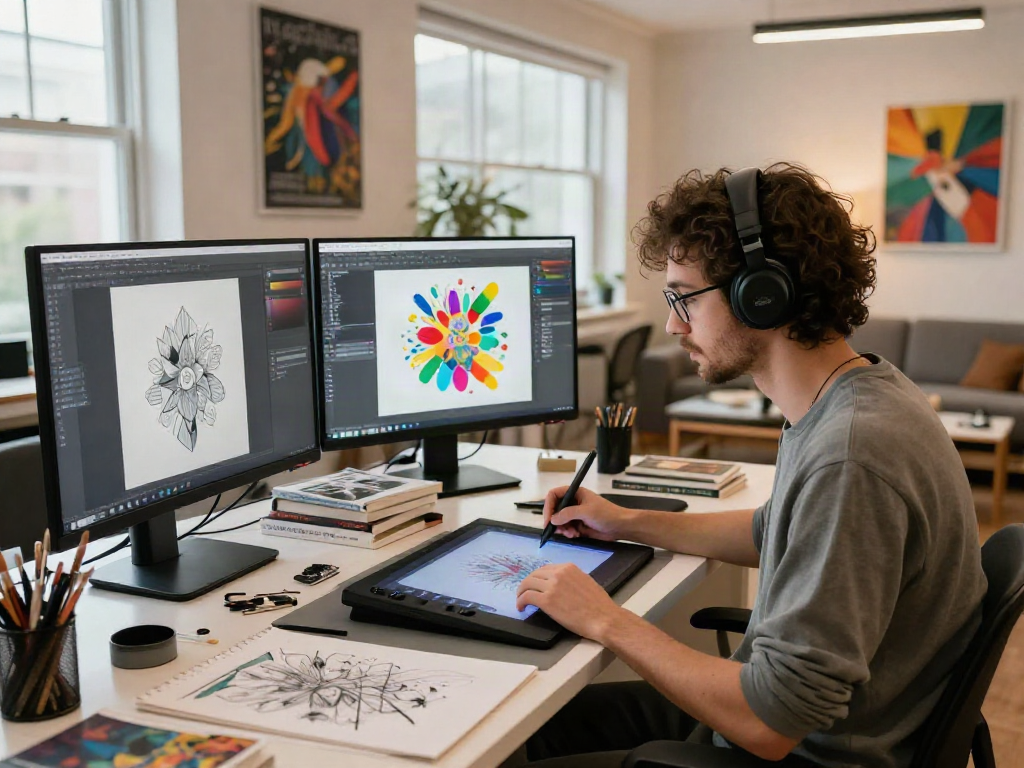
Various AI-powered tools are revolutionizing artistic creation. Software such as Daz 3D, Artbreeder, and Runway ML are enabling artists to explore 3D modeling, image generation, and video synthesis with ease. These platforms provide artists with robust resources to create intricate designs and animations, thus expanding their creative toolkit. Moreover, these tools often allow for customization, giving creators control over their artistic output while still benefiting from AI's computational prowess.
How 18+ ai Enhances Creativity
18+ ai does not merely replicate existing forms of art but rather inspires new styles and expressions. By merging human creativity with algorithmic generation, artists can explore themes and narratives that reflect contemporary societal issues around sexuality and intimacy. This collaborative approach can yield innovative artworks that challenge cultural norms and provoke discussions about human experiences in the digital age.
Challenges Artists Face with 18+ ai Technologies
Despite the opportunities presented by 18+ ai, several challenges persist. One significant concern is the potential for copyright infringements, as AI systems often learn from existing artworks. Artists must navigate the complexities of intellectual property rights, as the legal landscape concerning AI-generated art continues to evolve. Additionally, there are ethical implications surrounding the creation and distribution of adult content, as artists must ensure they are producing work that respects consent and representation.
Best Practices for Incorporating 18+ ai in Art
As artists embrace 18+ ai, understanding best practices becomes imperative to maximize its potential while minimizing risks. Successful integration of this technology requires strategic planning, collaboration, and ethical considerations to create compelling and responsible artwork.
Strategies for Artists Using AI
- Research and Experimentation: Artists should familiarize themselves with various AI tools and their capabilities. Experimenting with different platforms can lead to unique artistic outcomes.
- Collaboration: Form partnerships with technologists or other artists to share insights and techniques, enriching the creative process.
- Clear Conceptualization: Before diving into creation, artists should clearly define the themes and messages they wish to convey through their work.
Collaborating with AI: A New Approach
Collaboration with AI can enrich the artistic process. By viewing AI as a co-creator rather than a mere tool, artists can explore new dimensions in their work. For instance, using AI to generate initial concepts that the artist can refine allows for a dynamic interplay of human intuition and machine learning.
Examples of Successful 18+ ai Projects
Several pioneering projects illustrate the potential of 18+ ai. Artists like José Delgado, who blends 3D modeling with AI-generated imagery, have produced provocative pieces that challenge traditional perspectives on eroticism. Similarly, the art collective Pussykrew employs AI to create immersive installations that invite viewers to engage with adult themes in interactive ways. These examples signify the transformative potential of AI in the adult art realm.
Future Trends: 18+ ai in 2026 and Beyond
As technology continues to evolve, the future of 18+ ai appears promising yet complex. Understanding emerging trends will be crucial for artists seeking to stay relevant in this rapidly changing landscape.
Emerging Technologies in AI Art
By 2026, numerous cutting-edge technologies will likely emerge, including more sophisticated neural networks capable of generating hyper-realistic imagery and virtual reality (VR) experiences. These advancements will enable artists to create fully immersive adult-themed artworks that engage multiple senses, pushing the boundaries of viewer interaction.
Predicted Industry Changes
With ongoing advancements in AI, the art industry may witness shifts in how adult content is perceived. The normalization of 18+ ai could lead to greater acceptance of erotic art in mainstream venues, galleries, and exhibitions. Increased collaboration between technologists and artists may also foster a new genre of art that encapsulates the complexities of human sexuality in the digital era.
Adapting to New Artistic Landscapes
Artists must remain agile and adaptive to thrive in this evolving environment. Continuing education in AI technologies and trends will be essential for artists who wish to integrate 18+ ai into their practices. Moreover, cultivating a flexible approach can help artists navigate the ethical and legal considerations inherent in this field.
Real-World Applications of 18+ ai
The practical applications of 18+ ai extend beyond individual artistic expression, influencing businesses, marketing, and digital experiences. Understanding these applications can provide artists with new avenues for monetization and audience engagement.
Case Studies of Artists Using 18+ ai
Case studies of artists like Claire Silver demonstrate how 18+ ai can be leveraged to build careers. Silver’s use of AI to produce adult-themed art has garnered considerable attention, leading to collaborations with brands and exhibitions in prestigious galleries. Her approach illustrates the commercial viability of integrating AI technologies in adult art.
Commercial Benefits of 18+ ai
- New Revenue Streams: Artists can monetize their 18+ ai creations through merchandise, digital prints, or memberships to exclusive online content.
- Audience Engagement: By harnessing AI to personalize experiences, artists can cultivate a loyal fanbase that feels connected to their work.
- Global Reach: The digital nature of 18+ ai art allows creators to reach a worldwide audience, transcending geographical limitations.
Ethical Considerations in AI-Produced Art
As with any emerging technology, ethical considerations are paramount in 18+ ai. Artists must navigate the fine line between exploration and exploitation, ensuring their works do not perpetuate harmful stereotypes or infringe on the rights of others. Establishing clear guidelines and promoting ethical practices within the community will be crucial in fostering a responsible artistic environment.
What are the advantages of using 18+ ai?
Utilizing 18+ ai offers several advantages, including enhanced creativity, efficiency in production, and the ability to explore themes that resonate with diverse audiences. Artists can push boundaries and generate unique expressions of adult-oriented content, enriching the broader artistic dialogue.
How does 18+ ai affect traditional art forms?
18+ ai challenges traditional art forms by introducing new methods of creation and perspectives on sexuality and intimacy. This amalgamation fosters a dialogue between the old and new, potentially revitalizing interest in traditional artistic practices as artists integrate AI tools into their works.
What skills do artists need for 18+ ai?
Artists venturing into 18+ ai should possess a blend of creative and technical skills. Understanding AI tools, programming, and data analysis, combined with strong artistic abilities, will empower them to maximize their potential in this field. Additionally, knowledge of ethical considerations surrounding adult content is essential.
Are there any risks associated with 18+ ai?
Risks include potential copyright infringement, ethical dilemmas surrounding consent and representation, and the potential for misuse of AI technology. Artists must navigate these challenges carefully to maintain artistic integrity and ethical credibility.
How can artists build a portfolio using AI technologies?
Artists can build a robust portfolio by experimenting with various AI tools, showcasing diverse projects that reflect their unique style and thematic exploration. Collaborating with other creators and participating in exhibitions focused on AI art can also enhance visibility and credibility.