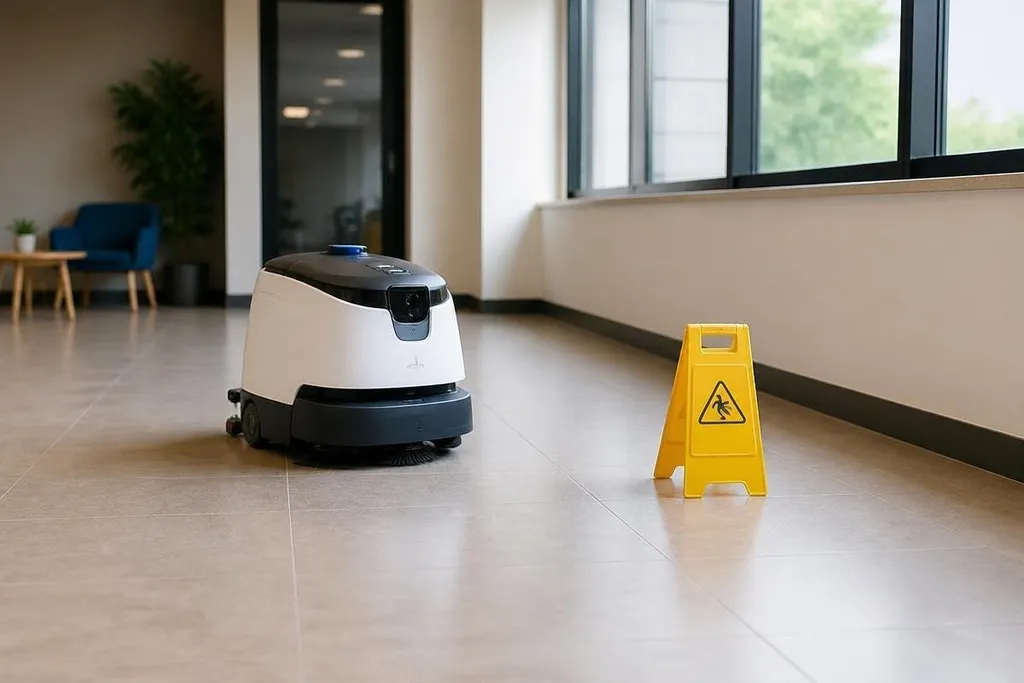
A cleaning robot can now do more than follow a wall or repeat a timed route. AI helps it read rooms, spot objects, and choose a path around obstacles, though the quality of that work depends on its sensors and software.
This article looks at the changes that matter when you need floors cleaned with less human control. No product tests or source pack were supplied, so the claims stay at the system level.
Quick read
- AI turns camera and LiDAR data into a map the robot can use while it moves.
- Object recognition can help a robot avoid cables, shoes, and other floor hazards.
- Human checks still matter when rooms change, sensors get dirty, or cleaning results need proof.
How AI reads a room
Older cleaning robots could use bump sensors, infrared signals, or fixed route rules. Those tools still have a place, but they give the robot less detail about what sits in front of it.
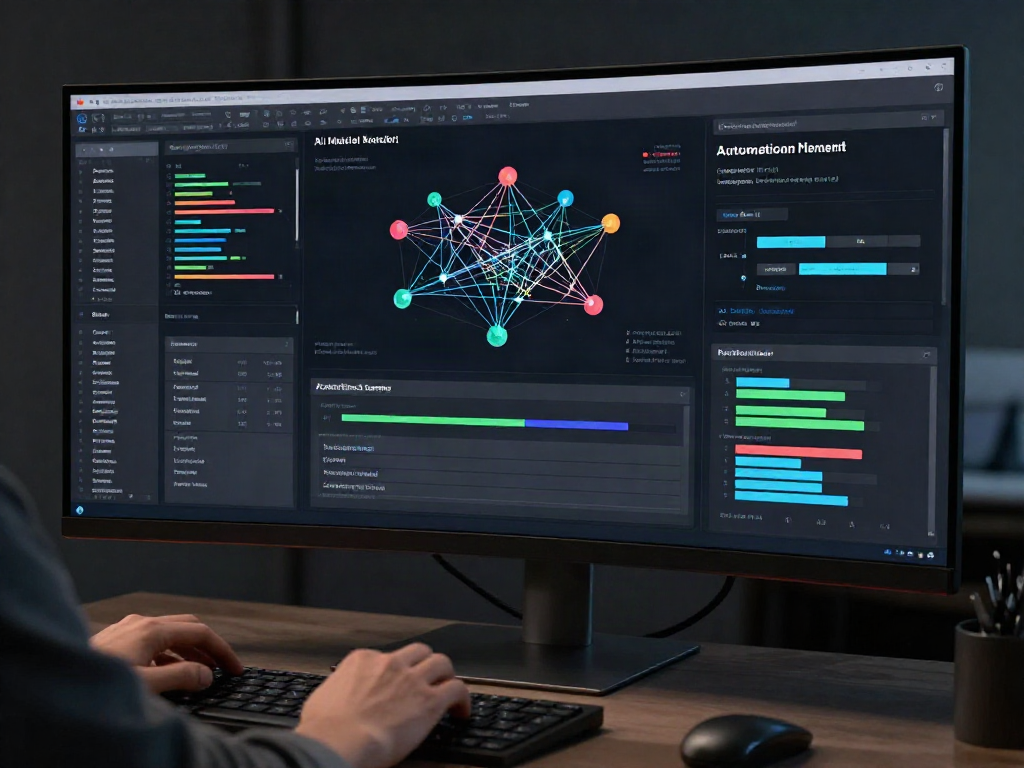
LiDAR measures distance with laser pulses and builds a map from the returns. A camera adds visual data, while wheel sensors tell the robot how far it has moved. AI software combines these inputs to estimate the robot’s position and the shape of the room.
That process is called simultaneous localization and mapping, or SLAM. The robot uses SLAM to build a map while it moves through the space, then updates that map when it finds a chair, open door, or blocked passage.
The useful change is route planning. A robot can divide a floor into areas, send itself around a table, and return to a missed patch instead of repeating the same loop. Its result still depends on the map, sensor view, and cleaning hardware.
Object recognition changes the job
A camera can help a robot tell a cable from a clear section of floor. AI software does this through object recognition, which compares camera data with patterns learned during training.
That can reduce stoppages caused by common floor objects. It doesn't guarantee safe movement around every object, since lighting, surface color, clutter, and camera position can affect what the robot sees.
The same system can support different cleaning actions. A robot might mark a carpeted area, slow down near furniture, or send a report when it reaches a section that needs more work.
Those actions need a floor plan and a control system that can act on the result. This is where cleaning robots become more useful to a facility manager.
A machine that records where it cleaned gives staff something to check instead of relying on a charge light or a completed route.
What AI cannot fix
AI doesn't replace a brush, vacuum motor, water tank, mop pad, or waste system. If the brush leaves debris behind, better route planning won't solve the floor result.
Sensor care also matters. Dust on a camera, a blocked LiDAR window, or a wheel that slips can give the software bad data. The robot may then build the wrong map or stop in a place that was clear during its first run.
Changing rooms create another limit. Chairs move, doors close, and boxes appear in walkways. A system that handles these changes needs fresh sensor data and a safe way to stop when its map no longer matches the room.
The open issue is proof. A map can show where the robot travelled, but travel is not the same as clean floors. A facility still needs a way to check dust, spills, missed edges, and the time needed for human corrections.
For that check, Robot24.com cleaning robot reports can add named machines, test sites, dates, and results to claims about autonomy in working buildings. Those details give a facility buyer a clear starting point for the checklist that follows.
A practical buying checklist
Use these questions before you compare cleaning robots:
- Ask about sensors: Does the robot use LiDAR, cameras, wheel sensors, or a mix?
- Check map control: Can staff edit rooms, mark blocked areas, and set cleaning zones?
- Test object handling: What does the robot do when it meets cables, loose clothing, or a closed door?
- Check cleaning proof: Does the system report covered areas, missed sections, and stopped runs?
- Plan sensor care: Who cleans the camera and LiDAR window, and how often?
- Measure human work: Record the time staff spend moving objects, rescuing the robot, and fixing missed spots.
I’d judge an AI cleaning robot by the work left for staff after a full run, not by the size of its feature list.
That standard keeps the software in its proper place. AI can help a robot read a room and choose a route, but the useful result is still a cleaner floor with fewer manual stops.