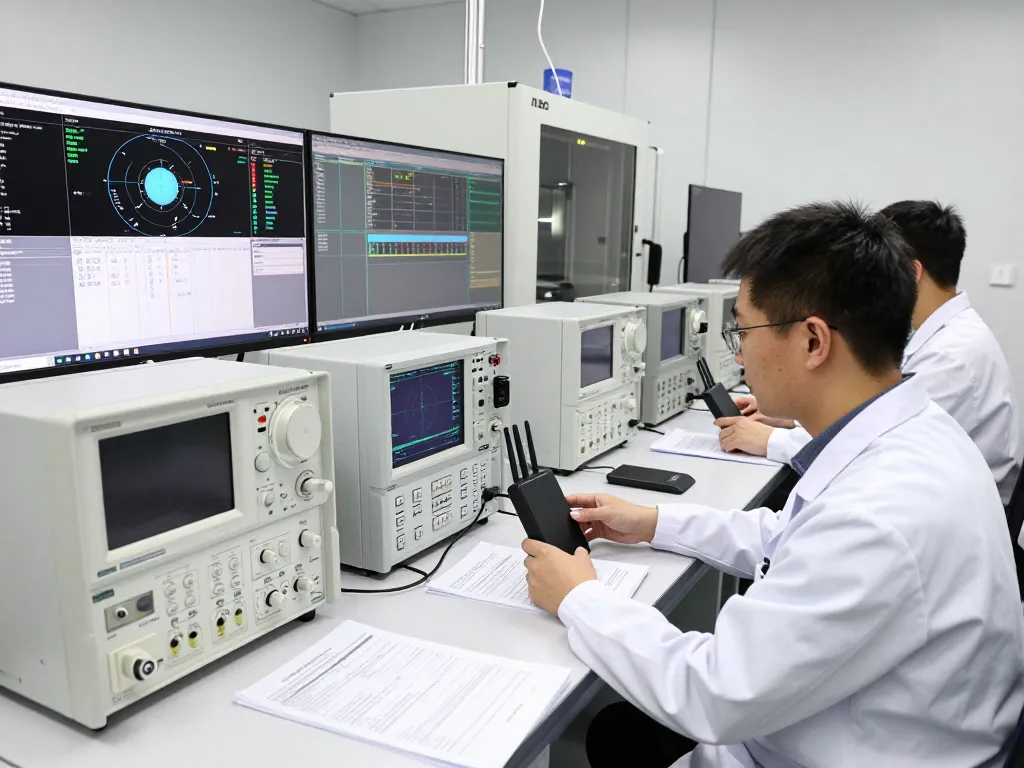
Understanding FCC Regulations for EMC Compliance
In an increasingly interconnected world, ensuring that electronic devices comply with established regulatory standards is paramount. The Federal Communications Commission (FCC) plays a crucial role in this landscape, overseeing regulations that govern communications and ensuring that devices operate without causing interference. This is particularly essential for products that emit electromagnetic energy, as non-compliance can lead to significant operational setbacks and financial repercussions for manufacturers. When exploring options, FCC compliance is a key consideration for businesses aiming to launch products in the U.S. market.
What is FCC Compliance?
FCC compliance refers to the requirements set forth by the Federal Communications Commission for electronic devices, ensuring that they do not interfere with other devices and operate within specified parameters. This involves rigorous testing protocols that assess a device's electromagnetic compatibility (EMC), which is crucial for maintaining regulatory standards across various sectors.
Importance of FCC Regulations in Electronics
FCC regulations serve multiple purposes in the electronics industry. They protect essential communication services from interference, ensure safety and reliability, and ultimately foster consumer confidence. By adhering to these regulations, manufacturers not only avoid potential fines but also enhance the marketability of their products, as compliance is often a prerequisite for entry into certain markets.
Key FCC Standards for EMC Testing
- Part 15: Covers unlicensed transmissions and outlines the limits for electromagnetic interference.
- Part 22: Applies to terrestrial-based mobile services.
- Part 24: Governs personal communications services (PCS).
- Part 90: Encompasses private land mobile radio services and various specialized services.
The Role of EMC Testing in Product Development
Electromagnetic compatibility (EMC) testing is a critical phase in product development that ensures electronic devices can function as intended without causing or suffering from electromagnetic interference. This testing process not only validates compliance with FCC regulations but also enhances product reliability and consumer satisfaction.
The EMC Testing Process Explained
The EMC testing process typically involves several key steps, including:
- Initial Consultation: Understanding the product design and identifying relevant standards for compliance.
- Pre-compliance Testing: Conducting preliminary tests to identify any potential issues before formal testing.
- Formal Testing: Detailed assessments in a controlled environment to evaluate emissions and immunity levels.
- Reporting: Compilation of a comprehensive report detailing findings and compliance status.
Common Challenges in Achieving FCC Compliance
Manufacturers often encounter several challenges during the compliance process, including:
- Complexity of Standards: Navigating the various regulations and standards can be overwhelming.
- Design Limitations: Existing designs may require significant modifications to meet compliance.
- Cost Implications: Testing and modification can be costly, impacting overall project budgets.
Importance of Pre-Compliance Testing
Pre-compliance testing is a proactive approach that helps identify potential compliance issues early in the product development process. By assessing the product against FCC standards before formal testing, manufacturers can make necessary design adjustments, reducing the risk of failing formal tests and avoiding costly delays.
Choosing the Right Testing Laboratory
Selecting the appropriate testing laboratory is crucial for ensuring successful compliance with FCC regulations. The right lab not only provides accurate testing but also delivers comprehensive support throughout the compliance journey.
What to Look for in an EMC Testing Lab
When choosing an EMC testing laboratory, consider the following factors:
- Accreditation: Ensure the lab is accredited to ISO/IEC 17025, which demonstrates competence in testing and calibration.
- Industry Experience: Look for laboratories with a proven track record in your specific industry.
- Technological Capabilities: Evaluate the equipment and technology available to ensure accurate results.
Benefits of ISO 17025 Accredited Facilities
ISO 17025 accreditation signifies that a testing laboratory has met international standards for quality and capability. This ensures that the testing results are reliable and recognized by regulatory bodies, which can facilitate smoother certification processes.
Evaluating Testing Capabilities for Your Industry
Different industries have unique testing requirements. It is essential to assess a lab's experience in your specific sector to ensure they understand the nuances and standards that apply. For example, the automotive industry may require tests that differ significantly from those needed for telecommunications.
Tailored Solutions for Diverse Industries
EMC compliance is not a one-size-fits-all endeavor. Stancer Testing-Lab offers tailored solutions for various industries, ensuring that all specific compliance needs are met effectively and efficiently.
EMC Compliance for Automotive Applications
Automotive manufacturers face stringent EMC compliance requirements to ensure vehicle safety and reliability. Stancer Testing-Lab provides comprehensive automotive EMC testing solutions that adhere to regulations such as ECE Regulation 10 (R10) and ISO 16750.
Telecommunications and RF Testing Requirements
The telecommunications industry is heavily regulated, with strict guidelines for both emissions and immunity. Effective RF testing is essential for ensuring devices can operate without causing interference, thus meeting FCC standards.
Medical Device Compliance Considerations
In the medical device sector, compliance not only ensures device functionality but also protects patient safety. Medical devices must pass rigorous EMC testing to demonstrate reliability and adhere to international standards, making it crucial to partner with experienced testing laboratories.
Future Trends in FCC Compliance and EMC Testing
As technology evolves, so too do the standards that govern it. Understanding emerging trends in FCC compliance and EMC testing is essential for staying ahead in the competitive market.
Emerging Technologies Impacting Compliance Standards
New technologies such as the Internet of Things (IoT), 5G, and smart devices are reshaping compliance standards. These innovations generate unique challenges regarding electromagnetic interference and require updated testing protocols to ensure ongoing compliance with FCC regulations.
Predictions for FCC Regulations by 2026
By 2026, we can expect to see adjustments in FCC regulations to accommodate advancements in technology. This may include tighter restrictions on emissions for wireless devices and increased scrutiny on IoT devices to mitigate interference.
Best Practices for Staying Ahead in Compliance
To maintain compliance in a rapidly changing environment, manufacturers should adopt best practices, including:
- Routine audits of compliance processes.
- Investing in training for engineering teams on current regulations.
- Engaging in early involvement with testing laboratories to address potential issues proactively.
What are the key FCC regulations for electronic devices?
The key FCC regulations include Parts 15, 22, 24, and 90, which outline the standards for emissions and immunity testing that electronic devices must adhere to in order to avoid interference with communication systems.
How can manufacturers ensure compliance with FCC standards?
Manufacturers can ensure compliance with FCC standards by conducting thorough EMC testing, engaging with accredited laboratories, and staying informed about ongoing changes in regulations and testing requirements.
What testing methods are required for FCC certification?
Common testing methods for FCC certification include radiated and conducted emissions testing, immunity testing, and specific assessments tailored to particular device types, ensuring all aspects of EMC are thoroughly evaluated.
How often should a product undergo EMC testing?
Products should undergo EMC testing whenever significant modifications are made, as well as periodically for long-term reliability assurance. Regular testing helps identify issues before they escalate and ensures continued compliance with FCC standards.
What are the consequences of non-compliance with FCC regulations?
Non-compliance with FCC regulations can result in severe penalties, including fines, recalls, and the prohibition of product sale. Additionally, non-compliant devices can cause interference, leading to operational disruptions and reputational damage.