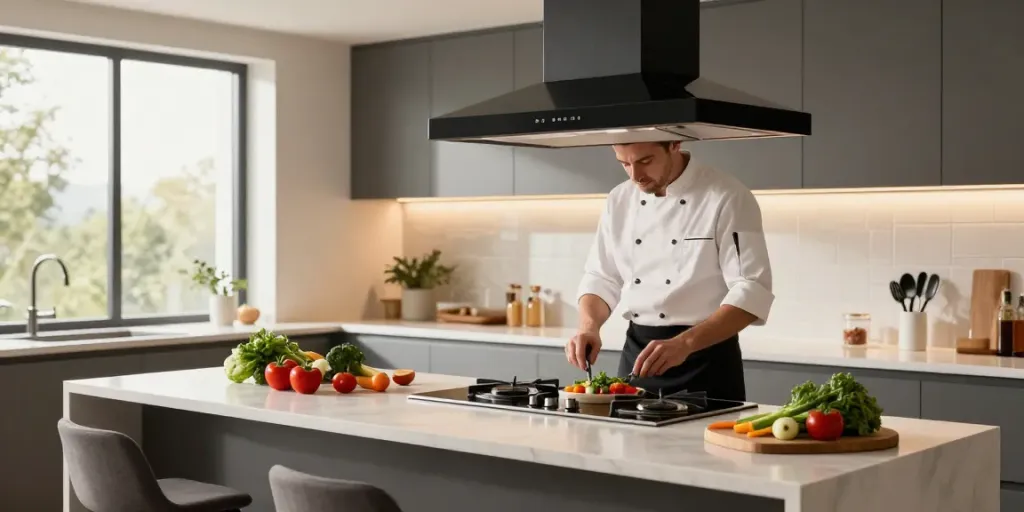
Understanding the Role of Cooker Hoods in Modern Kitchens
In the realm of kitchen design and functionality, cooker hoods are paramount. These appliances not only enhance the aesthetic appeal of your kitchen but also serve a crucial purpose in maintaining a clean and healthy cooking environment. A cooker hood effectively removes smoke, steam, and cooking odors from the air, ensuring that your kitchen remains fresh and pleasant. With the rise of kitchen technologies and evolving styles, understanding the role of a cooker hood has become more important than ever.
What Is a Cooker Hood and How Does It Work?
A cooker hood, also known as an extractor hood or range hood, is a device containing a mechanical fan that hangs above the stove or cooktop. Its main function is to ventilate the kitchen by extracting smoke, grease, and heat generated during cooking. Most modern cooker hoods come with multiple extraction settings, allowing users to customize their ventilation needs based on the intensity of cooking.
Benefits of Installation in Home Kitchens
Installing a cooker hood brings multiple benefits, including:
- Improved Air Quality: The primary benefit is the effective removal of pollutants, ensuring your kitchen air remains clean.
- Reduced Odor: A quality cooker hood eliminates lingering food odors, providing a fresher environment for cooking and dining.
- Enhanced Safety: By clearing smoke and steam, cooker hoods help prevent accidents that might occur due to poor visibility.
- Protecting Your Kitchen: Regular use of a cooker hood minimizes grease buildup on surfaces, protecting cabinetry and appliances from damage.
Different Types of Cooker Hoods Available
Choosing the right type of cooker hood is essential for functionality and design coherence in your kitchen. Here are the main types:
- Chimney Hoods: These are wall-mounted and extend from the wall to capture rising smoke and steam.
- Under-Cabinet Hoods: These are installed under kitchen cabinets, maximizing counter space.
- Island Hoods: Designed for open kitchens, island hoods are mounted above cooking islands, offering a sleek design.
- Integrated Hoods: Hidden within cabinetry for a seamless look while still providing effective ventilation.
Choosing the Right Size and Style for Your Space
Selecting the appropriate size and style of a cooker hood can significantly affect its performance and your kitchen's overall aesthetic. Understanding your space and cooking habits is vital.
60cm Vs 90cm Cooker Hoods: Which Size to Choose?
One of the first decisions you will have to make is the size of the cooker hood. Typically, cooker hoods are available in two standard sizes: 60cm and 90cm. The right choice depends on your stovetop's width. If you have a standard 60cm hob, a 60cm hood will suffice; however, for larger cooking surfaces, a 90cm hood is recommended for optimal air capture.
Design Trends: Integrating Cooker Hoods into Kitchen Aesthetics
The cooker hood should complement your kitchen's design. Current trends favor sleek, modern designs, often with stainless steel or glass finishes. For instance, a black frosted glass angled cooker hood can easily enhance the contemporary look of your kitchen space.
Color and Finish Options for Your Cooker Hood
When it comes to color and finish, options abound. Classic stainless steel, matte black, or white can all serve different kitchen themes. Choosing a finish that matches your existing kitchen appliances can create a cohesive design.
Installation and Maintenance Best Practices
Proper installation and routine maintenance are key to ensuring the longevity and effectiveness of your cooker hood.
Step-by-Step Installation Guide for DIY Enthusiasts
For those who prefer a DIY approach, follow these general steps for installing a cooker hood:
- Measure and mark the installation point based on your stovetop size.
- Secure the hood bracket to the wall.
- Connect the ducting or filter, as required.
- Mount the cooker hood to the bracket and ensure it’s securely in place.
- Connect the power supply and test the unit.
Essential Maintenance Tips for Longevity
To keep your cooker hood functioning optimally, regular maintenance is essential. Clean grease filters monthly and ensure the external surfaces are wiped down weekly. Follow the manufacturer’s recommendations for filter replacements.
Common Installation Mistakes to Avoid
Avoid the following common pitfalls during installation:
- Improper measurement of installation height can lead to ineffective extraction.
- Neglecting to ensure the unit is level, which can cause uneven airflow.
- Ignoring electrical safety codes, which could lead to hazards.
Maximizing Cooker Hood Efficiency
To ensure your cooker hood performs at its best, understanding its efficiency factors is crucial.
Understanding Extraction Power: How Much Do You Need?
Extraction power is typically measured in cubic meters per hour (m³/h). A good rule of thumb is to choose a hood with an extraction rate of at least 10 times the volume of your kitchen space. For larger kitchens, consider models with higher capacities.
Recirculating Vs. Vented Cooker Hoods: Pros and Cons
Understanding the difference between these two types of hoods is critical:
- Vented Hoods: These expel air outside and are generally more efficient but require ducting.
- Recirculating Hoods: These filter air and recirculate it inside but can be less effective without proper filters.
Smart Features: WiFi-Enabled Cooker Hoods Explained
The integration of smart technology in cooker hoods allows for enhanced control and convenience. Features like WiFi connectivity enable users to operate their hood remotely and adjust settings based on cooking activities, contributing to overall kitchen efficiency.
Future Trends in Cooker Hoods: What to Expect in 2026 and Beyond
The cooker hood market is evolving, and future trends suggest an increase in innovation and sustainability.
The Rise of Eco-Friendly Cooker Hood Options
As sustainability becomes a paramount concern, the demand for eco-friendly cooker hoods is rising. Look for models that incorporate energy-efficient motors and recyclable materials.
Innovative Technologies Shaping Modern Cooker Hoods
Expect advancements such as enhanced filtration systems that utilize HEPA filters, reducing airborne particles more effectively. Additionally, noise reduction technologies will make for quieter kitchen environments.
Predictions for Consumer Preferences in Kitchen Appliances
Consumers are likely to favor multifunctional appliances that provide both ventilation and air purification capabilities. The future cooker hood may become a central feature, performing roles beyond simple extraction, such as air quality improvement.
What does a cooker hood do?
A cooker hood extracts smoke, odors, and moisture from the kitchen, ensuring a healthier cooking environment.
What is the difference between a cooker hood and an extractor hood?
There is no significant difference; both terms refer to devices designed to ventilate kitchens by removing airborne pollutants.
Do all cooker hoods need to be vented outside?
No, some models are designed to be recirculating, meaning they filter and return air back into the kitchen.
Which brand of cooker hood is considered the best?
While several brands are recognized for quality, CIARRA has gained popularity for its innovative features and reliable performance.
How to clean kitchen hood?
To clean a kitchen hood, regularly wash the grease filters, wipe down surfaces with a mild detergent, and ensure vents are free from debris.