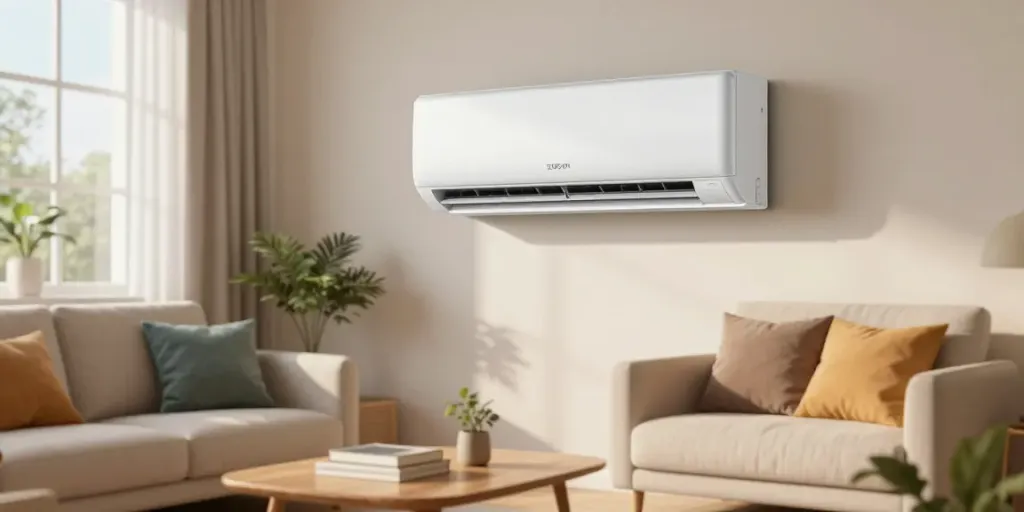
Understanding the 12000 BTU Mini Split System
As temperatures rise and energy efficiency becomes increasingly important, many homeowners are turning to modern cooling solutions. Among these, the 12000 btu mini split stands out as an efficient and effective choice for climate control. This article delves into the workings of mini split systems, the advantages they bring, and essential considerations when selecting one for your space.
What is a Mini Split Air Conditioner?
A mini split air conditioner is a compact, ductless system that cools or heats a specific area of your home without the need for extensive ductwork. This technology consists of two primary components: an indoor air handler and an outdoor compressor unit. The two are connected via refrigerant lines, allowing for efficient thermal management in homes of various sizes. The versatility of mini splits makes them ideal for retrofitting into homes without existing duct systems and for room additions.
How 12000 BTU Fits into Your Home
The term "BTU" stands for British Thermal Unit, a measurement of heat energy. A 12000 BTU mini split typically cools spaces of up to 550 square feet, making it suitable for small to medium-sized rooms such as bedrooms, home offices, or small living areas. Understanding your space's BTU requirements is crucial in ensuring optimal performance; an undersized unit struggles to keep up, while an oversized one can lead to inefficient operation and higher energy costs.
Advantages of Ductless Technology
Ductless mini split systems offer numerous benefits over traditional HVAC systems, including:
- Energy Efficiency: With lower energy losses from ductwork, mini splits can operate at higher SEER ratings, translating to lower utility bills.
- Flexible Installation: Mini splits are easy to install in a variety of locations, allowing for greater flexibility in home design.
- Individual Climate Control: These systems enable personalized temperature settings for different rooms or zones, increasing comfort levels throughout the home.
Choosing the Right Mini Split for Your Space
When choosing a 12000 BTU mini split, several factors come into play to ensure you select the best option for your specific needs. The following sections will help guide your decision-making process.
Factors to Consider When Sizing Your Unit
Choosing the correct size mini split is vital for optimizing performance. Key factors include:
- Room Size: Measure the square footage of the space you wish to cool or heat.
- Insulation Quality: Well-insulated spaces retain temperature better, potentially allowing you to downsize.
- Climate Zone: Regions with hotter climates may require additional BTUs to maintain comfort effectively.
- Ceiling Height: Higher ceilings may necessitate additional cooling power.
Top Features to Look For
When selecting a mini split system, consider the following features:
- Variable Speed Compressors: These enhance efficiency by adjusting cooling based on current needs.
- Smart Technology: Wi-Fi-enabled models allow for remote control and monitoring via smartphones.
- Multi-Zone Capabilities: If cooling multiple rooms, look for systems that can support multiple air handlers.
- Quiet Operation: Ideally, select units known for low noise levels to maintain a peaceful environment.
Budgeting for a 12000 BTU Mini Split: Costs and Benefits
Investment in a 12000 BTU mini split involves understanding both upfront costs and long-term savings. Initial costs can range from $1,500 to $4,000, depending on the brand and features. However, considering the energy efficiency and potential energy savings, many homeowners see a return on investment within a few years.
Installation and Maintenance Best Practices
Proper installation and maintenance of your mini split system are crucial for optimal performance and longevity. Below are some considerations to keep in mind.
Professional Installation vs. DIY: Pros and Cons
While DIY installation may seem cost-effective, professional installation often guarantees that the unit operates correctly and efficiently. Professionals ensure proper sizing, placement, and refrigerant levels, minimizing the risk of future issues. However, if you possess the required skills and knowledge, a DIY approach can save money upfront.
Regular Maintenance Tips for Longevity
To prolong the life of your mini split system:
- Clean or replace filters regularly to maintain airflow.
- Inspect and clean the outdoor unit to prevent debris buildup.
- Schedule annual professional maintenance for system checks and refrigerant level assessments.
Common Installation Mistakes to Avoid
A few common pitfalls can lead to inefficiencies or potential damage:
- Incorrect placement of indoor and outdoor units affecting performance.
- Improper sealing of refrigerant lines leading to leaks.
- Neglecting local codes and regulations regarding installation.
Energy Efficiency and Environmental Considerations
In today's eco-conscious market, energy efficiency and environmental impact are paramount. Mini split systems, particularly those rated with high SEER, greatly reduce carbon footprints compared to traditional HVAC systems.
Understanding SEER Ratings and Energy Savings
The Seasonal Energy Efficiency Ratio (SEER) measures cooling efficiency; a higher SEER indicates better efficiency. For instance, a mini split with a SEER rating of 22 can potentially save homeowners significantly on their electricity bills compared to lower-rated systems.
Eco-Friendly Refrigerants and Their Benefits
Modern mini splits often utilize R-32 or R-410A refrigerants, which have lower global warming potential than older refrigerants. This shift not only offers performance advantages but also contributes positively to environmental conservation efforts.
The Future of Energy-Efficient Cooling Solutions
As technology advances, mini split systems are expected to become more energy-efficient, with features like enhanced smart controls and improved refrigerants, ultimately further elevating their position in the market.
FAQs about 12000 BTU Mini Split Systems
Here are some frequently asked questions to help clarify common concerns and considerations regarding the 12000 BTU mini split systems.
How many sq ft will a 12000 BTU mini split cool?
A 12000 BTU mini split can effectively cool spaces of approximately 450 to 550 square feet, depending on factors such as insulation quality and climate conditions.
What are the disadvantages of a 12000 BTU mini split?
While generally efficient, some drawbacks may include:
- Higher initial costs compared to traditional systems.
- Potentially complex installation for some models.
- Limited capacity for larger spaces without multiple units.
What size breaker do I need for a 12,000 BTU mini split?
Typically, a 12,000 BTU mini split will require a dedicated circuit breaker of at least 20 amps, but always consult the manufacturer’s recommendations for specifics.
Why is my electric bill so high with a mini split?
High electricity bills can result from several factors, including poor installation, inadequate insulation, or issues with the unit such as dirty filters or refrigerant leaks that prevent efficient operation.
Is the 12000 BTU mini split suitable for commercial use?
Yes, a 12000 BTU mini split can be used in small commercial spaces, including offices and storefronts. However, comprehensive assessment of the total BTU needs is essential to ensure comfort and efficiency in a commercial environment.