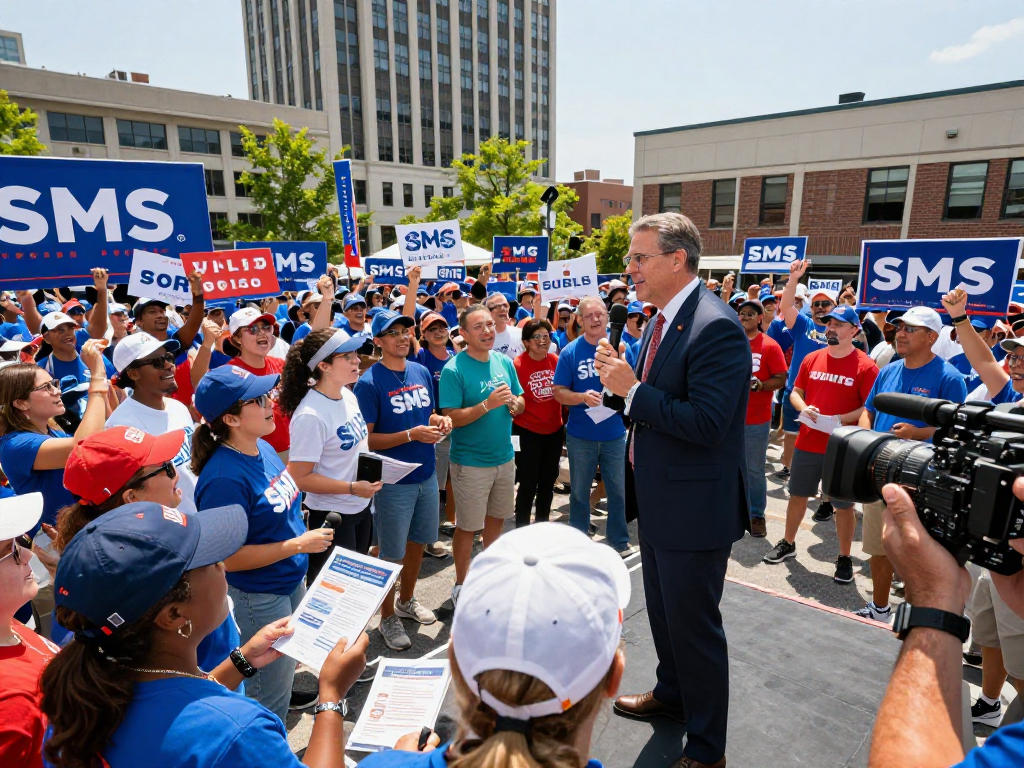
Understanding Political SMS Marketing
In the ever-evolving landscape of political campaigning, the importance of effective communication with voters cannot be overstated. One of the most impactful ways to engage constituents is through political SMS marketing. This method allows campaigns to deliver timely and relevant messages directly to voters’ mobile devices, ensuring high open and response rates. As we approach the pivotal elections in 2026, understanding the nuances of this strategy can make all the difference between winning and losing a district.
What is Political SMS Marketing?
Political SMS marketing refers to the practice of using text messaging as a tool to communicate with voters and constituents. By sending out brief, direct messages, campaigns can inform voters about key issues, promote events, and drive voter turnout on Election Day. With the majority of American adults owning a mobile phone, SMS presents a unique opportunity for immediate engagement. Text messages can be automated or personalized, allowing for a tailored approach that resonates with specific voter demographics.
Importance of Data in SMS Campaigns
When launching a political SMS marketing campaign, the cornerstone of success lies in data. Campaigns must begin with a complete understanding of their voter base. WIN USA offers comprehensive data solutions, providing detailed voter files that include names, addresses, and phone numbers. By leveraging this data, campaigns can segment their messages, target specific demographics, and ensure their communication is as relevant as possible. When exploring options, political SMS marketing combined with accurate data can yield significant results.
Legal Considerations for SMS Compliance
Before implementing an SMS marketing strategy, it is crucial to understand the legal landscape. The Telephone Consumer Protection Act (TCPA) governs the use of SMS messaging for marketing purposes. Campaigns must ensure that they have explicit consent from recipients before sending messages. This compliance not only protects the campaign from potential legal issues but also fosters trust among constituents. Implementing opt-in methods and providing clear information on how recipients can opt-out contributes to your campaign's credibility.
Effective Targeting Strategies
Targeting the right audience is vital for any political marketing effort, particularly in SMS campaigns. The ability to refine messaging based on audience characteristics enhances the effectiveness of outreach efforts. Utilizing detailed voter data allows campaigns to tailor their communications to align with constituents' interests and concerns.
Segmentation Techniques for Voter Outreach
Segmentation involves dividing your voter base into subsets based on various criteria such as demographics, voting history, and specific interests. By employing segmentation techniques, campaigns can deliver more personalized messages that resonate with individual voters. For instance, younger voters may respond better to messages about social issues, while older voters may prioritize economic stability. This targeted approach not only increases engagement but also maximizes the effectiveness of the campaign budget.
Using Voter Data to Enhance Engagement
Access to current and verified voter data is essential for crafting relevant content. Campaigns can analyze voting trends and preferences to determine the topics that will be most engaging for their audience. For example, if recent local surveys indicate that a majority of voters are concerned about healthcare, crafting SMS messages that directly address this issue can significantly improve engagement rates.
Geographic and Demographic Targeting Best Practices
Successful SMS campaigns leverage geographic and demographic targeting to ensure messages reach the right audience. Geographic targeting allows campaigns to deliver messages that are relevant to specific local issues, thereby increasing the perceived value of the communication. For example, a campaign could focus on road improvements in a district facing transportation problems while addressing broader themes in messages to other areas. By aligning messaging with the interests and needs of specific demographics, campaigns can enhance their overall effectiveness.
Crafting Compelling SMS Content
The content of your SMS messages is critical to capturing voter attention. Campaigns must not only convey essential information but also motivate recipients to take action.
Writing Engaging Campaign Messages
Engagement is key when it comes to SMS marketing. Messages should be concise, compelling, and convey a clear call to action. Using strong language that evokes emotion can resonate more deeply with voters. For instance, instead of a generic reminder to vote, a message could emphasize the importance of each vote in shaping the community’s future. Crafting such compelling narratives can lead to higher response rates and better participation.
Personalization Techniques for Better Response Rates
Personalizing SMS messages can significantly impact engagement levels. Addressing recipients by name and referencing their past voting behavior can create a sense of connection. Additionally, tailored content that reflects individual voter concerns or interests encourages recipients to respond positively to the message. For instance, if a voter previously engaged with environmental issues, sending them SMS updates about local sustainability initiatives can foster a stronger relationship.
Timing and Frequency of Messaging
The timing and frequency of SMS messages play a crucial role in their effectiveness. Research suggests that sending messages at strategic times—such as during peak hours or leading up to significant events—can enhance visibility and engagement. Furthermore, careful management of message frequency is essential to prevent overwhelming recipients. A well-paced outreach strategy can keep constituents informed without causing them to disengage.
Analyzing Campaign Performance
Once the SMS campaign is launched, it is critical to analyze its performance to understand its effectiveness and areas for improvement. By tracking various metrics, campaigns can make informed adjustments to enhance future outreach efforts.
Key Metrics for Measuring SMS Campaign Success
Several key performance indicators (KPIs) should be monitored to evaluate the success of SMS campaigns. Metrics such as open rates, click-through rates, and conversion rates provide valuable insights into how well messages resonate with voters. Additionally, tracking unsubscribe rates can help campaigns gauge the appropriateness of their messaging and frequency.
Using A/B Testing to Optimize Content
A/B testing is a powerful method for optimizing SMS campaign content. By sending out two variations of a message to segments of the audience, campaigns can determine which one performs better. Factors like wording, timing, and call-to-action design can all be tested to refine the overall messaging strategy. This iterative approach ensures that campaigns are continuously improving and adapting to voter preferences.
Feedback Loops and Voter Surveys
Implementing feedback loops is essential for understanding voter sentiment. After key campaign activities, sending out surveys via SMS can help gauge voter reactions. Such feedback not only provides data for refining strategies but also demonstrates to voters that their opinions are valued, thus strengthening engagement.
Future Trends in Political SMS Marketing
As technology and voter behavior continue to evolve, so too will political SMS marketing strategies. Staying ahead of emerging trends is crucial for campaigns looking to maximize their effectiveness in the ever-competitive political arena.
Emerging Technologies Impacting SMS Campaigns
The advent of new technologies, such as artificial intelligence and machine learning, is poised to revolutionize political SMS marketing. These tools can analyze vast amounts of data to predict voter behavior and enhance message targeting, ensuring campaigns send the right messages at the right times.
Predictions for 2026 and Beyond
Looking towards 2026, we can expect an increased integration of SMS marketing with comprehensive digital strategies. Campaigns will likely utilize omnichannel approaches that include SMS, email, and social media for cohesive voter engagement. This shift will require teams to adopt tools that can seamlessly integrate data across platforms for a more unified messaging strategy.
Adapting Strategies to Changing Voter Behavior
As voter demographics shift, campaigns must be agile in adapting their strategies. Younger voters may prefer more interactive and engaging content delivered through SMS, while older voters might favor straightforward communication. Understanding these preferences will be key in designing SMS marketing strategies that resonate with a diverse electorate.